Powerboat and fishing boat insurance
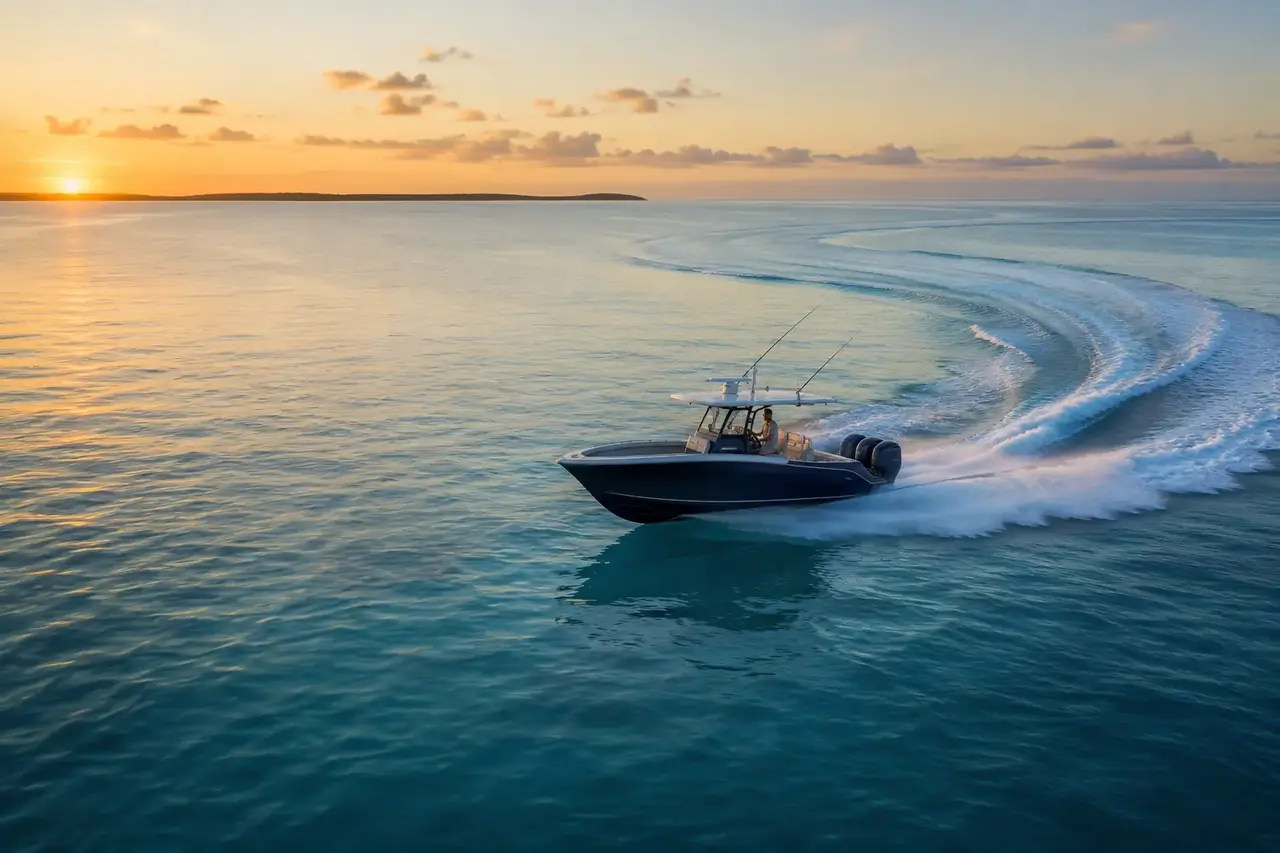
Compare physical damage, liability, towing, equipment, and fishing-gear options for center consoles, bowriders, and runabouts.
Explore fishing boat coverage
For U.S. boat owners actively shopping for insurance
Buying, renewing, or switching? Tell us about your boat and coverage needs in three steps. We review your request; provider follow-up depends on availability.
Source-linked guidanceOfficial and primary sources are prioritized
Consent shown firstReview contact terms before you submit
Built around your vesselType, value, use, location, and storage
Coverage that fits the vessel
Vessel type, value, length, navigation territory, storage, and use can change the policy and provider fit. Compare the coverage details—not only the premium.
Compare physical damage, liability, towing, equipment, and fishing-gear options for center consoles, bowriders, and runabouts.
Explore fishing boat coverage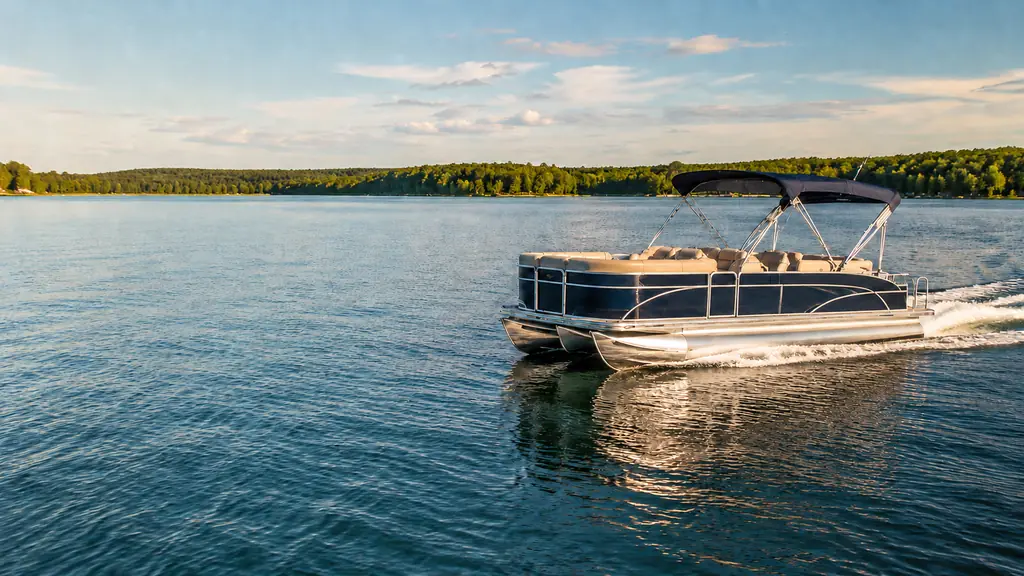 02
02Prepare for passenger liability, trailer and motor coverage, personal effects, and the way your pontoon is stored and used.
Explore pontoon coverageHigher-value and larger vessels may need a marine survey, agreed-value terms, and carefully defined navigation limits.
Explore yacht coverageCompare liability and physical-damage options for Jet Ski-style watercraft, passengers, trailers, and accessories.
Explore PWC coverageA direct route to relevant options
The form captures the details used to understand fit and identify ready-to-act boat owners.
Start my boat insurance requestShare type, year, length, value, location, and storage.
Tell us whether you are buying, renewing, or researching.
Provider follow-up depends on availability and the consent shown.
What shapes a boat quote
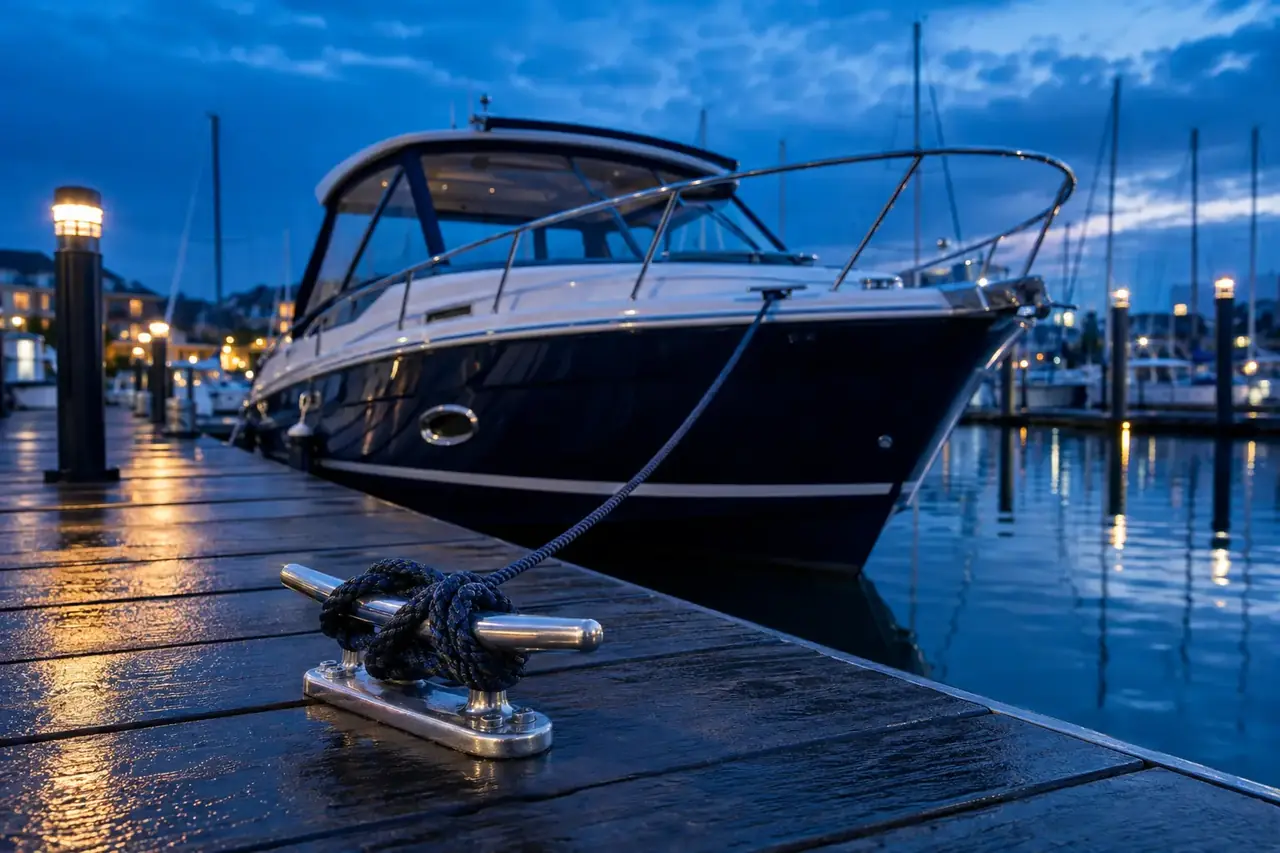
Providers may consider the vessel, operator history, location, navigation territory, hurricane plan, storage, selected limits, and deductible.
Research the decision
Prepare for a purchase, survey, cost comparison, or state-specific risk—then carry that context into a focused request.
Prepare for coastal navigation, named-storm terms, hurricane plans, marinas, and lender requirements.
Florida guide →BuyingPrepare the HIN, value, survey, lender, marina, navigation, and effective-date details.
Use the buyer checklist →UnderwritingUnderstand survey scope, haul-out questions, accepted reports, and recommendations.
Prepare for a survey →ComparePrepare the right vessel details and send one focused request.
Start a request →PriceUnderstand the variables behind premiums without relying on a misleading national average.
Explore costs →LocationCompare requirements, contracts, weather, navigation, and storage risks.
Choose a state →Helpful answers
A licensed insurance professional can explain availability and terms for your vessel.
Most states do not mandate insurance for every privately owned recreational boat. A lender, marina, storage facility, or charter agreement may still require coverage. Confirm the rules and contracts that apply to you.
Options can include physical damage, liability, medical payments, uninsured boater protection, personal effects, towing, wreck removal, and pollution liability. Terms, limits, and exclusions vary.
Agreed-value policies generally use a value set when the policy begins for a covered total loss, subject to policy terms. Actual-cash-value policies account for depreciation. Compare definitions and partial-loss settlement provisions.
A marina slip, mooring, dry stack, home trailer, or private lift creates different weather, theft, liability, and catastrophe exposures. Providers may also ask for a hurricane or winter lay-up plan.
Begin before a purchase closing, financing deadline, marina move, or launch date. Underwriting may request documents, photos, or a marine survey. Coverage is not effective until a licensed provider confirms it.
Before the next launch